

From Cornered to Connected: Using Context to Shape Unique Staircase Design
How can a staircase become an architectural opportunity?
In this home renovation, the answer began with questioning where it belonged.
The original staircase occupied a corner, leaving much of the generous space around it underused. Leading staircase specialist Bisca explored how changing its orientation could reshape not only the staircase, but the experience of arriving, moving and connecting through the home – the point at which a staircase renovation has the potential to become a unique feature rather than a like-for-like replacement.
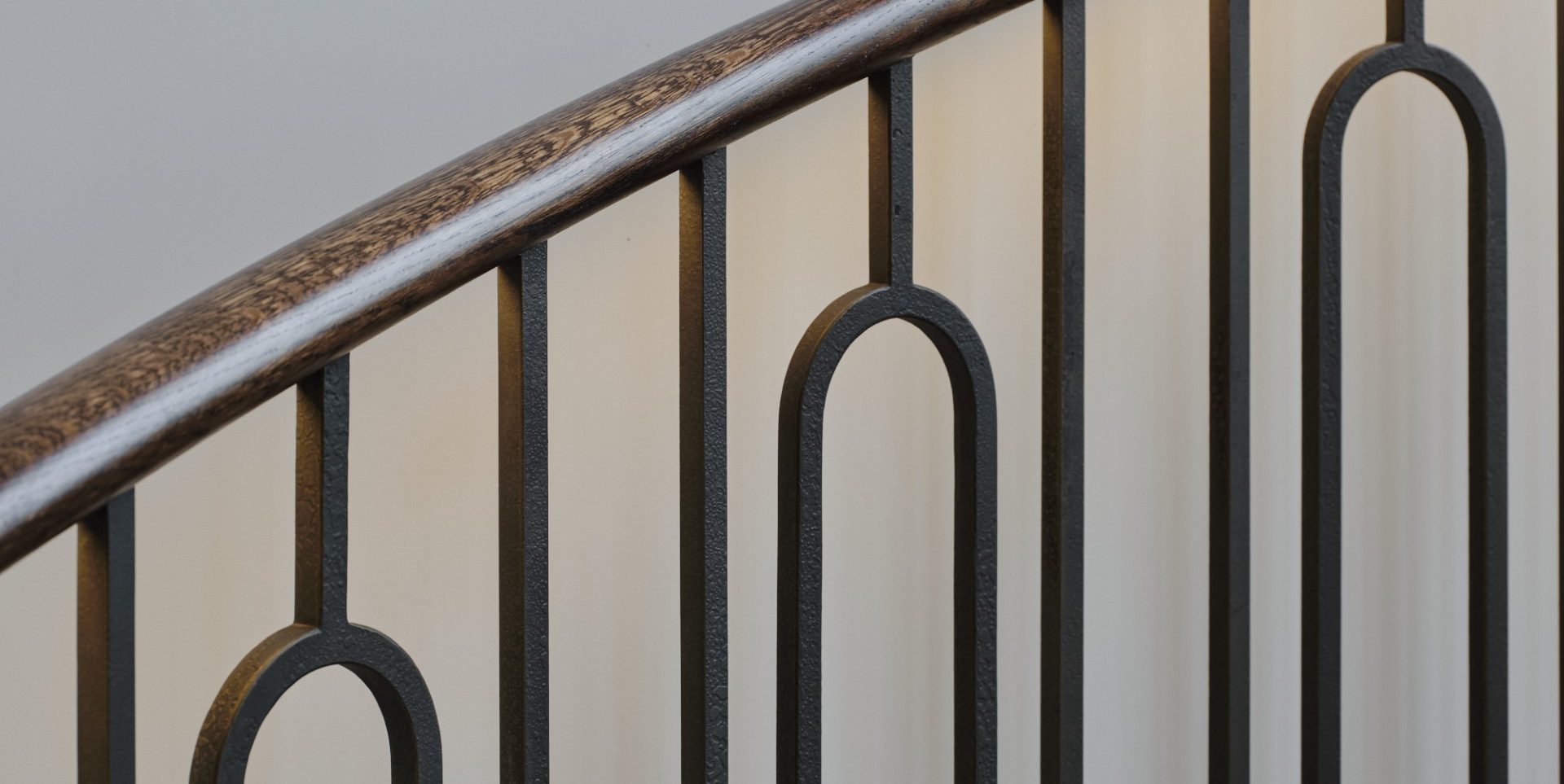
Step 1: Start With the Space
How could a change in orientation alter the architectural experience?
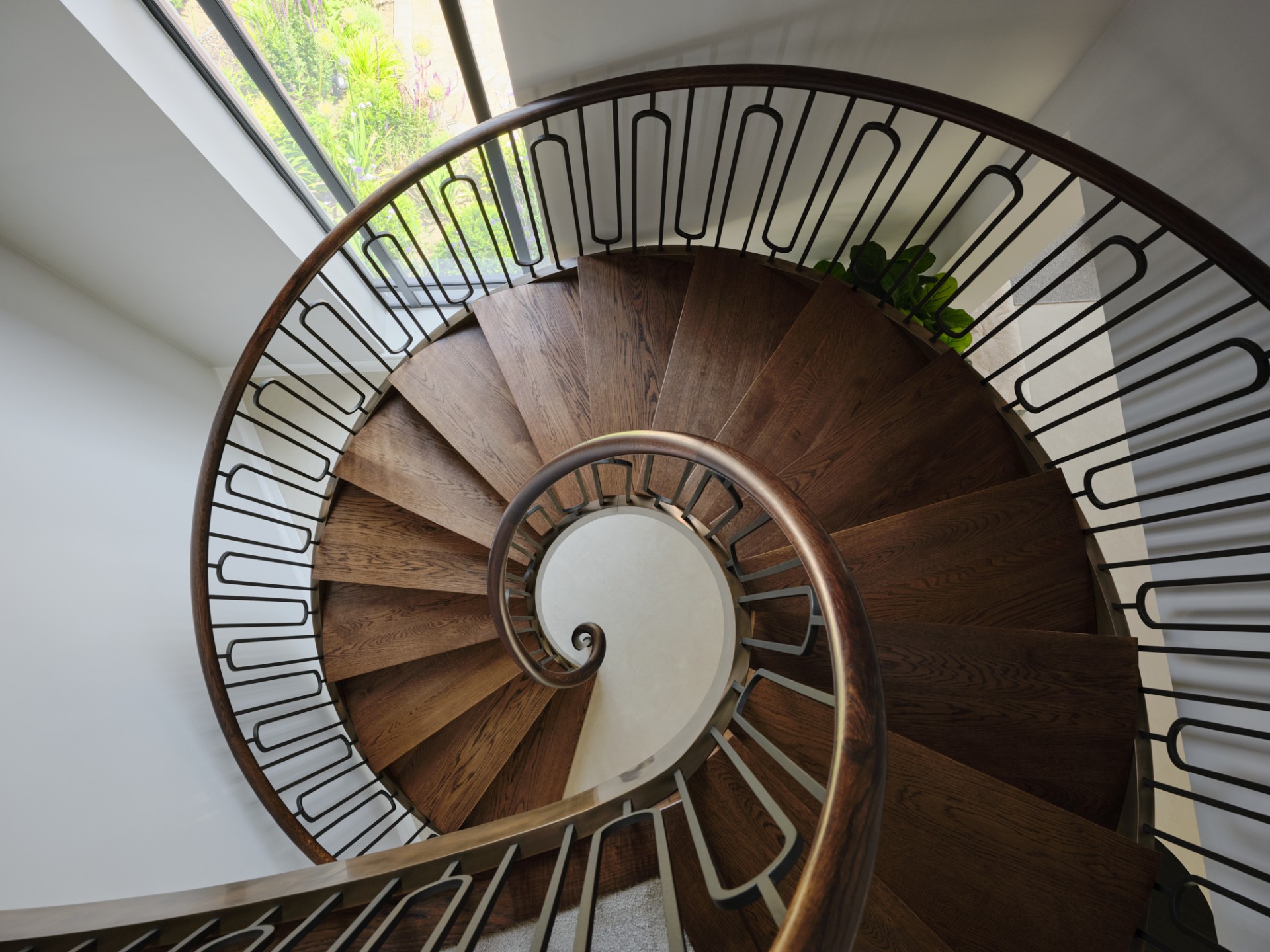
Staircase planning begins with the space, not the stair. Turning the orientation of this staircase clockwise brought vertical movement into the heart of the home, creating a more open and generous arrival. From there, Bisca developed a sweeping helical form around an open core, creating a fluid visual connection between three floors.
The feature window became part of the composition, allowing natural light to move through the hallway and the staircase to be experienced from different perspectives. Bisca’s Founder and Design Director, Richard McLane explains:
“Staircase design can influence spatial planning when its orientation, geometry and movement are explored at the right stage of the project.”
Step 2: Make Every Interface Count
How can you ensure the staircase feels inherent to the architecture?
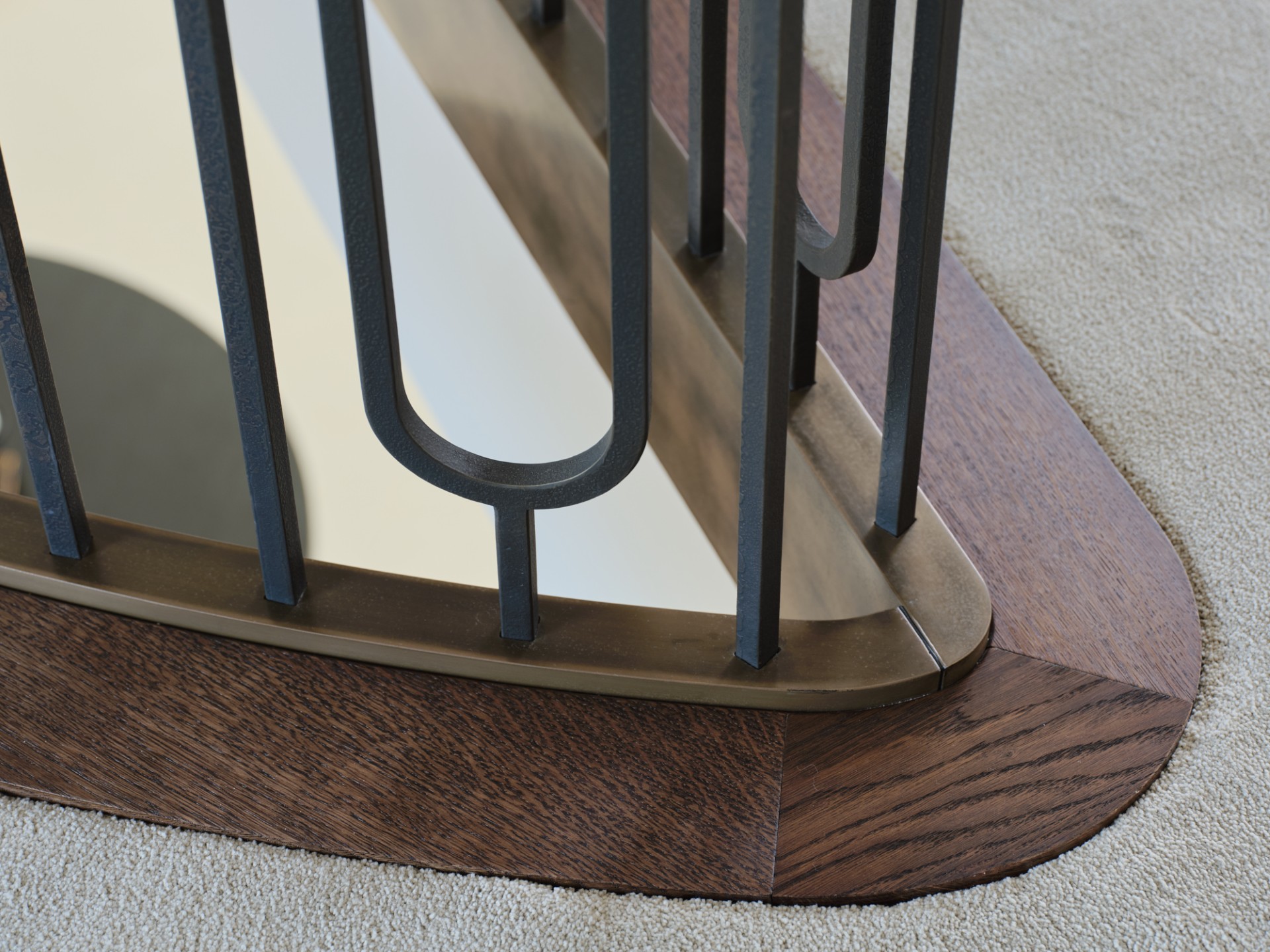
An architectural staircase is defined by its junctions; each point at which a staircase meets and interacts with the surrounding building must be carefully resolved.
Here, the handrail flows between structural joists and onto a sculpted landing that follows the curve of the stair. Its slender steel form maintains visual lightness without compromising structural performance.
Achieving this required the architectural intent to be considered through each stage of the process, from precise engineering to manufacture and installation – with each interface considered from the earliest design stages. Richard continues,
“When technical expertise and design ambition develop together from the outset, this approach opens up possibilities that would be difficult to achieve later, allowing us to deliver a staircase where structure, material and beauty truly become one.”
Step 3: Let Materials Shape Experience
How can materials strengthen the building’s wider interior?
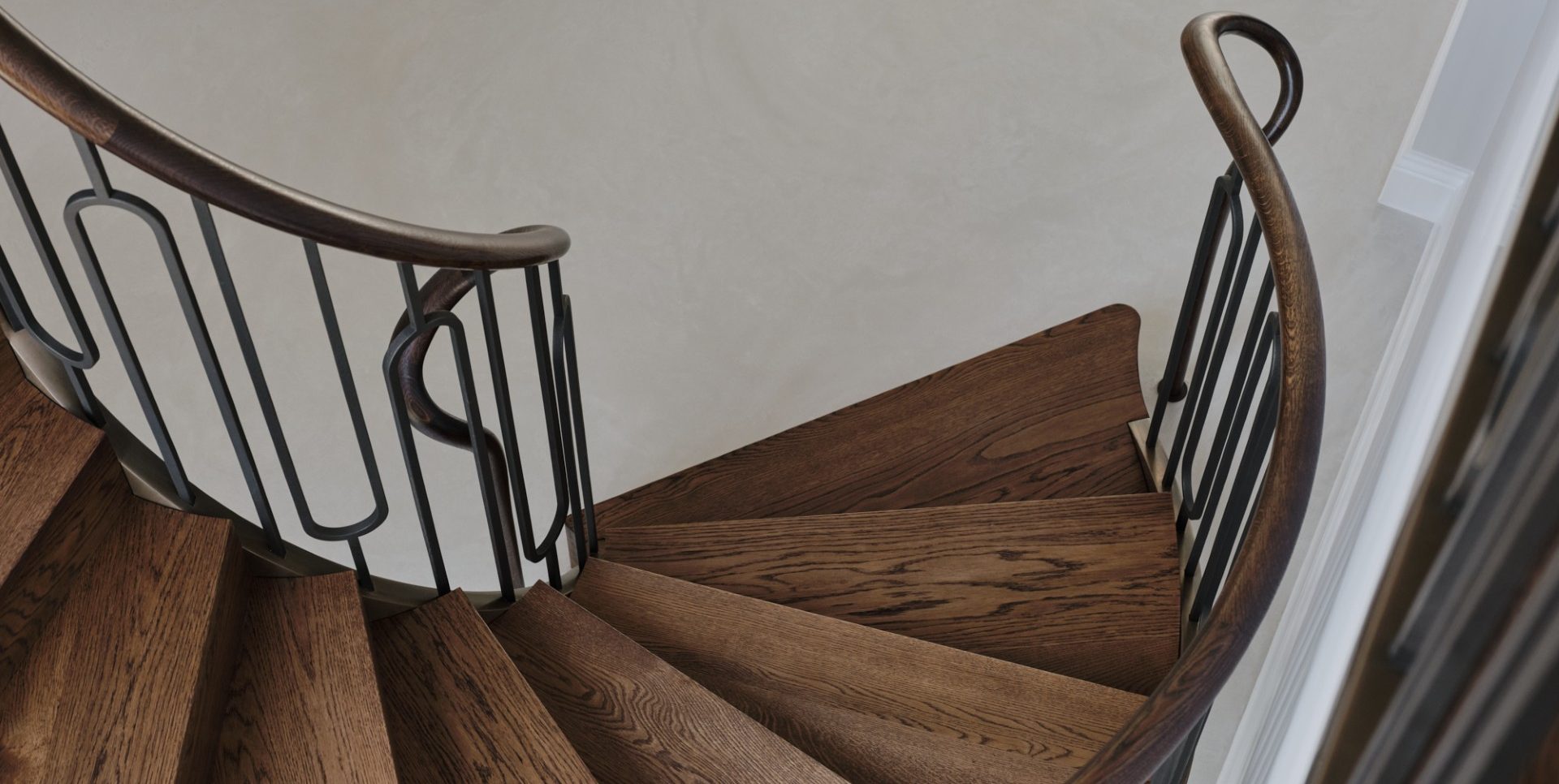
Working with interior designer Klaudia Dziak of StudioTwenty, Bisca developed a restrained palette of dark-stained oak, slender steel and hand-forged bronze.
The oak adds depth and warmth; looped bronze balusters introduce movement and texture; while the oak landing nosing carries the material language through the centre of the home.
Together, these choices reference the classical character of the interior without becoming ornate, allowing the staircase to feel considered as part of the overall scheme rather than treated as a separate feature.
How Bisca Works With Architects, Designers and Homeowners
The most beautiful and transformational staircases happen when spatial, structural, material and aesthetic decisions are considered together.
For Bisca, this collaborative approach allows specialist staircase expertise to contribute to the wider architectural and interior thinking of a project. Whether working alongside an architect or interior designer, or taking care of the specialist architectural and technical aspects for a homeowner, staircase ideas can all be explored before the design thinking becomes fixed – opening up the potential for a more ambitious, cohesive and distinctive outcome.
A staircase doesn’t simply have to fit the architecture. With the right specialist input, unique staircase design can also help shape it.